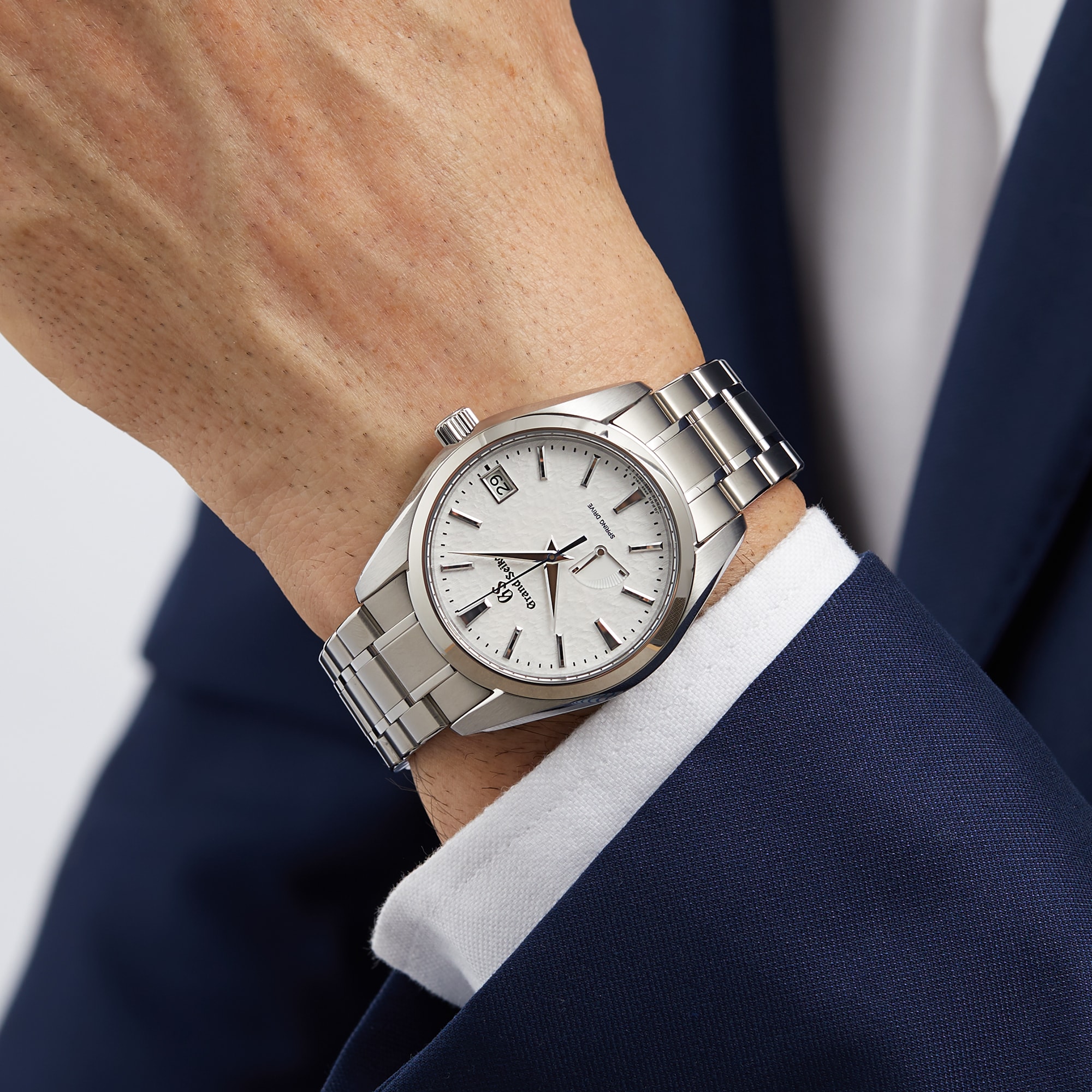
If you own an automatic watch—whether it's a iconic luxury timepiece or a custom-built modded watch—you’ve likely wondered: Is a watch winder really necessary, or is it just a luxury display box?
Automatic timepieces rely on the movement of your wrist to wind the mainspring and maintain power. But when you rotate between multiple watches, letting your automatic watch sit still for days can cause it to stop running.
In this guide, we break down how watch winders work, whether they are worth the investment, and how to choose the right setting for your collection.
1. What is a Watch Winder and How Does It Work?
A watch winder is a device designed to keep automatic watches running when they aren't being worn. By gently rotating the watch in predefined cycles, it simulates the natural motion of the human wrist, keeping the movement’s mainspring perpetually wound.
Most modern winders allow you to customize two key variables:
Turns Per Day (TPD): Typically ranges from 650 to 1200 TPD depending on the watch movement’s specifications.
Direction of Rotation: Clockwise, Counter-Clockwise, or Bi-Directional.
2. The Benefits of Using a Watch Winder
A. Convenience for Multi-Watch Owners
If you own multiple automatic timepieces, setting the time, date, and complex complications (such as moon phases or perpetual calendars) every time you switch watches can be a hassle. A watch winder ensures your piece is always synchronized and ready to wear straight out of the box.
B. Maintaining Movement Lubrication
Inside a mechanical watch, synthetic oils keep the gears, escapement, and jewel bearings running smoothly. If a watch sits dormant for months, these lubricants can settle or thicken over time. Regular rotation keeps the internal lubricants evenly distributed throughout the movement.
C. Premium Protection and Display
Beyond functionality, a well-crafted multi-slot watch winder serves as a sophisticated display cabinet that protects your valuable horological collection from dust, moisture, and accidental scratches.
3. Can a Watch Winder Overwind or Damage Your Watch?
A common concern among watch enthusiasts is whether keeping a watch on a winder continuously will cause excessive wear or "overwind" the mainspring.
Can it overwind? No. All modern automatic watches feature a built-in slipping mechanism that prevents the mainspring from being over-wound once full tension is reached.
Can it cause premature wear? Only if using an inferior winder that spins constantly without rest periods. High-quality watch winders feature intermittent rotation cycles (rotating for a few minutes, then resting for an hour) to prevent unnecessary stress on the movement.
4. Finding the Perfect Balance for Your Timepiece Collection
When choosing a winder, ensure it provides quiet operation, Japanese TPU/Mabuchi motor reliability, and customizable TPD settings suitable for popular automatic movements like the Seiko NH35/NH36, ETA 2824, or Miyota 9015.
If you are looking for precision-crafted automatic timepieces, bespoke modded watches, or custom horological builds to complement your collection, explore our full range of curated timepieces at https://www.aurawinder.com/
Summary Checklist Before Buying a Watch Winder
Check Your Watch's TPD Requirement: Most standard automatic movements require 650–800 TPD in a bi-directional rotation.
Select Motor Quality: Choose winders built with ultra-quiet motors to avoid background hum in your bedroom or office.
Choose the Right Capacity: If you plan to expand your collection, consider a 2-slot or 4-slot winder with independent motor controls for each rotor.